
The stagecoach is one of the most enduring symbols of American frontier life. Whether you’re flipping through old westerns or strolling through the lively streets of modern-day Tombstone, Arizona, the stagecoach leaves its timeless mark on our culture. These sturdy vehicles tell tales of epic journeys, hard-earned fortunes, and spirited communities. Not only did they pave the way for better travel, they also played an essential role in shaping America’s narrative. So, saddle up, and let’s dive into some legendary facts about stagecoach journeys that will leave you both informed and entertained!
The Stagecoach: A Symbol of American Frontier Life
Stagecoaches epitomize the essence of exploration and resilience. They symbolize a time when journeys meant much more than just getting from point A to point B. Sure, there were plenty of bumps along the way—literally! Riding in a stagecoach was no walk in the park; every ride came with its own set of challenges, from navigating treacherous terrains to the always-present threat of bandits. Yet, through every peril came adventure, opportunity, and the forging of communities that echoed the diversity of early America.
Top 7 Legendary Facts About Stagecoach Journeys
Ever wondered how America got from scattered settlements to a connected nation? Enter the stagecoach! It first gained traction in the early 19th century. The most notable of these routes was the Butterfield Overland Mail, rolled out in 1858. Covering a jaw-dropping 2,800 miles from St. Louis to San Francisco, this route challenged travelers to confront desert heat and snowy mountains. Fun fact: if you think road trips are tough now, just imagine hopping on a stagecoach for a two-month-long journey!
During the Gold Rush, stagecoaches emerged as the heartbeat of the mining boom. Picture this: miners slogging away in the dirt, only to hop on a stagecoach to hit bright, bustling towns like Tombstone, Arizona, when their pockets were full. These coaches weren’t just for joyrides; they transported supplies, letters, and fellow dreamers eager to stake their claim. Each trip helped establish the booming businesses that would shape these rugged towns, becoming a lifeline for communities where fortune and grit met.
Now let’s not forget the importance of stagecoaches in the fabric of urban life. Many immigrant workers traveled via stagecoach to reach burgeoning urban centers, including the vibrant Chinatowns that sprung up across the U.S. in the late 19th century. The journeys created direct connections between diverse communities, illustrating a wave of migration fuelled by aspirations for a better life. Talk about making history while trying to make a living!
As cities morphed into glamorous gambling capitals, like Reno and Las Vegas, stagecoaches became vital to the nightlife scene. Before the neon lights and high-speed rail, it was the stagecoach that whisked thrill-seekers to gaming tables. Can you imagine gamblers, hats tipped low and cards in hand, arriving at the casino in a stagecoach? It was the original high-speed chase—minus the flashy cars and fancy tech— fueled by excitement, fortune, and a dash of mischief.
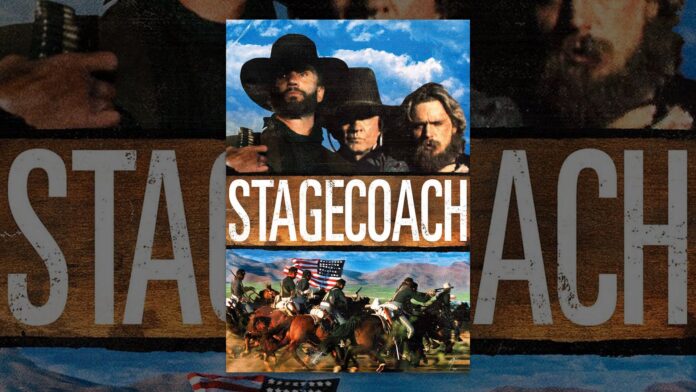
John Ford’s famous film, Stagecoach (1939), offers a cinematic portrait of the Wild West. It captures the struggles, moral dilemmas, and diverse characters that made American history feel so alive. The movie showcased the stagecoach as more than a simple vehicle; it was a vessel carrying dreams, secrets, and the stuff of legends. With characters facing adversity together, it reminds us that the bonds we form amidst life’s chaos often define our journeys.
Stagecoaches didn’t just fade into history; they evolved! The introduction of motorized stages in the early 20th century transformed travel forever. Gone were the days of hoof beats echoing against dusty trails; instead, those engines roared to life! The modern convenience found in today’s bus systems reflects this innovation, marking a transformation that made life on the road both quicker and more comfortable.
Now, who doesn’t love a touch of nostalgia? Thanks to numerous historical reenactments, the legacy of stagecoaches is kept alive. Places like the Tombstone Courthouse State Historic Park shine a light on this colorful chapter of American history. Visitors can walk original routes and marvel at artifacts that flash back to a time when a day in the saddle felt like the ultimate adventure. These experiences help keep the tales of those stagecoach journeys alive and relevant for generations to come.
The Stagecoach Experience: Travel, Culture, and Community
The cultural significance of the stagecoach stretches far beyond mere transportation; it’s a reflection of exploration, hardship, and resilience. It symbolizes a relentless pursuit of progress, weaving together narratives from scattered mining outposts to the vibrant alleyways of Chinatown. The tales spun from these journeys resonate deeply, reliving the aspirations that connect our present to a vivid past.
Remember, the stagecoach is not just a relic locked away in dusty history books. It’s a vivid thread in America’s story—a constant reminder that through challenges and triumphs alike, our journeys together shape who we become. Whether you’re captivated by the tales of old or experiencing modern-day reenactments, the spirit of the stagecoach continues to inspire and entertain, turning rides into legends that echo through the ages.
So the next time you hear “stagecoach,” let it take you back. Imagine the bustling frontier, the camaraderie of fellow travelers, and the adventures waiting on the horizon. After all, isn’t life itself a journey best shared?
Stagecoach: Legendary History and Iconic Journey Facts
The Wild West Vehicle
When one thinks of a stagecoach, images of the Wild West often come to mind—a bustling frontier, iconic cowboys, and thrilling adventures! Did you know that the stagecoach was the lifeblood of transportation between towns, especially during the 1800s? These horse-drawn carriages didn’t just carry mail; they whisked people on long journeys across rugged terrains, much like the daring escapades depicted in The Menu movie, where food and survival become a thrilling experience. What’s more, some stagecoaches were even outfitted for added comfort, echoing how today’s celebrities, like Jimmy Horn jr., might travel with style in their luxury rides.
Famous Routes and Stories
Stagecouches navigated many historic routes, including the famed Pony Express trail. Riders would switch out horses, ensuring the mail raced through the expanding territories! Notably, it wasn’t just men behind the reins. Women often took on these roles, highlighting the bold spirit of individuals like Nadia Comaneci, who broke barriers in sports. Imagine the camaraderie and tension as passengers shared close quarters, reminiscent of characters in dramas like Odessa, who face their own high-stakes narratives aboard a strange vessel.
A Glimpse into Design
Speaking of close quarters, the design of stagecoaches was fascinating. They typically boasted a durable but flexible structure, allowing them to maneuver over harsh landscapes. With their unique finishes and specifics tailored to the demands of travelers and cargo, each stagecoach had its charm. Just like the flowing fabric of a nun habit, these vehicles were built for both aesthetics and functionality! Not only that, but each journey was an adventure, akin to the journey of talented individuals like Ella Rae wahlberg and Domino Kirke, who pursue their passions through the ups and downs of life, much like those early stagecoach travelers did.
In essence, the stagecoach is a symbol of an adventurous spirit, thrill, and a window into a bygone era. Its story is definitely a legendary chapter in transportation history that continues to inspire films and stories today!