
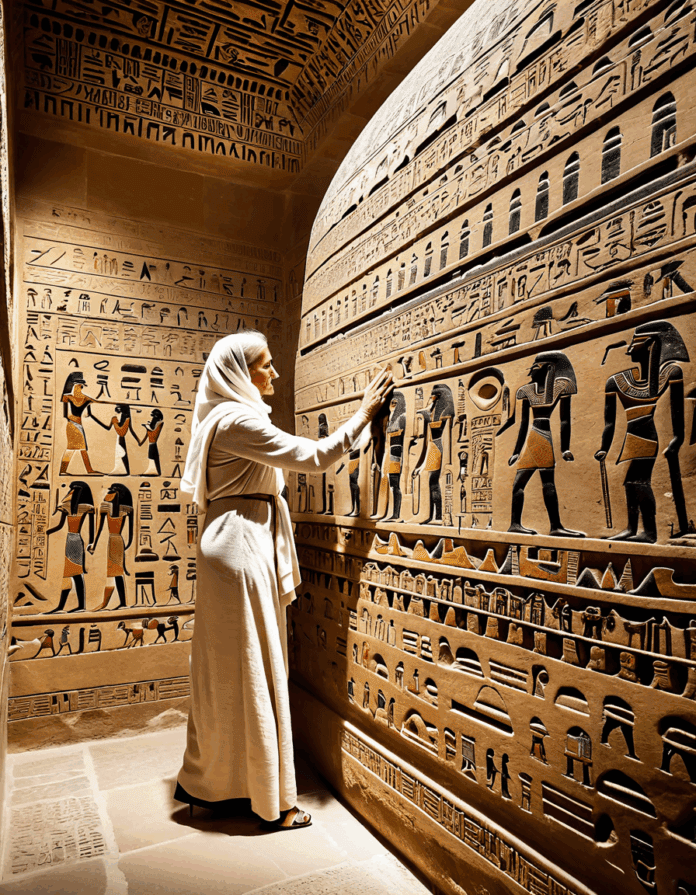
Mummies have sparked our fascination for centuries. These preserved bodies hold tales that echo through time, revealing secrets of ancient civilizations. Whether you’re an archaeology buff or just love a good horror movie, the stories behind mummies are nothing short of fascinating. Picture this: mummies are not just remnants of the past but vivid storytellers, whispering secrets of rituals, beliefs, and even social status! From the ornate burial practices in Egypt’s Valley of the Kings to the icy mummies of the Andes, each one has a unique history worth diving into.

1. The Mummy: Safe Under the Sands
A mummy represents much more than just an ancient body wrapped in cloth. They tell us about beliefs surrounding death and the afterlife in various cultures. Take the Egyptians, for instance, who placed great importance on ensuring a safe passage to the afterlife. Their elaborate burial rituals were designed with one goal in mind: to facilitate the journey toward eternal peace. This commitment to their afterlife plans showcases a culture that was deeply spiritual, often believing that death was not the end, but merely a transition.
Throughout history, many mummies, like those found in the Valley of the Kings, reveal intricate burial practices. Each burial was a unique story, often accompanied by rich artifacts intended to support the departed in the afterlife. It’s astonishing to think about how these ancient practices reflected the social hierarchy of the time, showcasing the important figures in society and various cultural significances attached to death.
Exploring what lies behind the sands is the key to understanding not just ancient Egyptian culture but many others. These mummies act as historical record-keepers, allowing modern researchers to piece together lost narratives. So next time you see a mummy in a movie, remember there’s a genuine history buried beneath those wrappings!

2. Fluffy vs. Skin: The Giant Mummy Debate
When diving into the world of mummification, you may stumble upon what some call the “fluffy vs. skin” debate. This isn’t about a pet cat; it’s a fascinating discussion around how different conditions led to varied mummy preservation techniques. Egyptian mummies typically feature neatly wrapped linen and are celebrated for retaining their skin through effective embalming methods.
On the other hand, naturally mummified remains, like those of the Incan child sacrifices, referred to as “Ice Mummies,” present a different preservation quality. The dry, frigid conditions of the Andes naturally desiccated the bodies, creating stark contrasts in preservation techniques and outcomes. These contrasting methods reflect more than just environmental conditions; they reveal cultural practices and societal values.
The mummy debate opens a world of archaeological inquiry. Fluffy or skin, each type carries a message from the past, serving as historical breadcrumbs that help us understand how different civilizations viewed death and the afterlife. It’s all part of piecing together the precious puzzle that represents humanity’s shared history.
3. Flash! The Mummy’s Role in Modern Culture
Let’s jump to the present — or at least the past twenty years, where mummies have taken a spin at the box office. Movies like The Mummy (1999) starring Brendan Fraser sparked a revival of interest in ancient Egyptian lore, introducing audiences to the thrill of ancient curses and mystical powers. This film didn’t just entertain; it reignited curiosity about mummification, ancient practices, and ultimately, what lies beneath the tombs of history.
The glamorous and haunting portrayal of mummies has paved the way for an entire genre. Since Brendan Fraser’s comedic charm dazzled us in those dusty tombs, museum exhibits and documentaries have flourished, further inviting people to explore their mysteries. It’s fascinating to see how a simple action-adventure movie can have lasting effects on public interest in archaeology!
As pop culture continues to entwine itself with ancient lore, new generations are discovering the mysteries of the past. The mummy, once a symbol of horror, has now morphed into a captivating figure that stimulates curiosity about history, science, and even spirituality.
4. How Mummy Secrets Help Unravel Ancient Mysteries
Present-day researchers are armed with high-tech tools that would make Indiana Jones proud! With breakthroughs in CT scans and DNA analysis, the secrets hidden within mummies are fast becoming clearer to us modern folk. For instance, infrared imaging technologies reveal hidden layers of scrolls, sometimes containing texts about ancient mummification practices that were long thought to be lost to time.
Through these technologically advanced methods, newfound practices come to light. For example, it was believed for years that mummification solely involved embalming, but researchers have discovered various innovative methods of preservation that challenge our previously held beliefs. Such revelations remind us that our understanding of ancient customs is ever-evolving.
As we uncover the secrets that ancient embalmers sought to preserve, mummies become less of an enigma. They transform into symbols of cultural significance, finely woven into the fabric of human history. Each discovery brings us a little closer to understanding those who walked the earth long before us.
5. The Baby Mummies: Unveiling a Cultural Perspective
Now, let’s take a deep breath — because the topic of baby mummies can tug at your heartstrings. Investigating infant mummies, like those found in the Catacombs of Palermo, opens up a vital conversation about ancient attitudes toward death, particularly for children. These tiny remains tell poignant stories that reflect societal anxieties and the emotional weight associated with loss.
In societies like the Egyptians and Incas, the connection with the afterlife was as strong for children as it was for adults. The careful attention to infant burials indicates a recognition of life, loss, and the hope of eternal existence, presenting a multi-faceted view of parenting and mortality that transcends time. Each baby mummy leaves us questioning not just what they faced in life, but how their communities grappled with the fragility of existence.
By unpacking this cultural significance surrounding baby mummies, we gain incredible insights into the historical dynamics that shaped family and communal grief. These small figures in the mummification process remind us: every life, no matter how brief, carries weight and meaning in the tapestry of human experience.
6. The Buzz Around Honey: Preservative Properties of a Sweet Substance
Believe it or not, honey played a pivotal role in ancient Egyptian mummification practices! Not only did they enjoy honey as a delightful treat, but they also recognized its impressive antibacterial properties. Used in both food and preservation, honey kept bodies from decomposing—a testament to ancient wisdom that stands the test of time.
Recent research highlights how honey-rich environments, including burial sites and tombs, supported the preservation of artifacts for thousands of years. Thumbs up for the ancient Egyptians and their sweet smarts! This knowledge connects beautifully with today’s growing focus on sustainable preservation methods.
The bond between honey and nature illustrates humanity’s ongoing relationship with the environment. Honey wasn’t just a food; it was a powerful tool that blended practicality with the spiritual, showcasing the depth of ancient people’s understanding of life and death. How sweet!
7. Da Mummy: The Legacy of Mummies in Global Mythos
Mummies resonate across various cultures, evolving into symbols rich with meaning. These figures have transformed through time—from terrifying creatures in horror films to revered figures symbolizing spirituality in some traditions. While the visual images of mummies might differ, a common thread binds us all: a universal fascination with life, death, and what comes after.
For example, the Middle Eastern myths surrounding mummies connect with tales of curses and magical powers. Meanwhile, in South America, mummies take on a revered status, emphasizing respect for ancestors and highlighting the various attitudes towards death and existence that exist worldwide.
Understanding these varying interpretations reinforces how our approach to mortality differs, but also connects us. Mummies, in all their forms, challenge us to reflect on our beliefs about life’s journey and what lies beyond a finite existence, forging connections across cultures and centuries.
In summary, the journey into the world of mummies reveals a treasure trove of ancient wisdom and practices. These preserved souls stand as conduits of historical narratives, extending our understanding of humanity’s shared quest for knowledge and connection. As modern science unlocks their secrets, the stories of mummies—fluffy, giant, or otherwise—continue to spark fascination, promising to captivate curious minds for generations to come. So the next time someone mentions “mummy,” remember: there’s history in those wrappings, waiting to be discovered!
The Mummy: Secrets Behind Ancient Wonders and Mysteries
Fascinating Facts About Mummies
Did you know that ancient Egyptians would often fill tombs not just with mummies, but also with various treasures? It’s believed that these items were meant to accompany the deceased in the afterlife, ensuring they had all they needed. The process of mummification itself was an art form — think of it like a hush that fell over the world, preserving bodies for millennia. If you’re curious about the methods behind this ancient practice, it’s a lot more intricate than it seems! You can explore other intriguing stories at patriot to get a flavor of how historical tales unfold.
Mummies in Modern Culture
Fast forward to today, mummies pop up in films and books, captivating audiences everywhere. The fascination isn’t just about what’s buried; it’s about the mysteries they represent. For example, some films, like Buddy, emphasize this connection to the past while entertaining modern viewers. Also, countless documentaries have unearthed more than just facts – they’ve revealed the unsavory meaning of some myths surrounding mummies. Just imagine stumbling across tales of hidden treasures or rituals that echo through time!
Mummification Beyond Egypt
Here’s a fun trivia: Mummification wasn’t exclusive to Egypt. Across cultures, from the Andes in South America to China, mummies take on diverse forms. The Incas, for instance, preserved their noble dead in very different ways. While you might think about the complexities of mummy preservation, it’s as fascinating to consider how various interpretations of “mummy” exist globally. If you find this topic just as riveting as football stats, take a peek at the Buffalo Bills Vs New york jets Stats — both are steeped in tales of glory and mystery in their own right!
Each layer of history, whether in mummies or legends like La Condesa, showcases how human beings grapple with concepts of mortality and the afterlife. Thanks to advancements in science and pop culture, the narrative of the mummy continues to unfold, keeping us hanging on every detail. Whether you’re exploring mummies for knowledge or simply for fun, there’s always a story waiting to be uncovered!