

Christopher Nolan’s Memento has certainly left a mark on the film landscape since its release in 2000. This film isn’t just a movie; it’s a journey that messes with your perception of time and memory, making it a topic of discussion for cinephiles and newcomers alike. With its innovative storytelling techniques, Memento captivates audiences, inviting them to unravel a convoluted narrative that connects deeply with themes of personal identity and existential reflection. Here’s a deep dive into seven intriguing elements of Memento’s narrative structure that contribute to the film’s lasting appeal.
1. Non-Linear Narrative
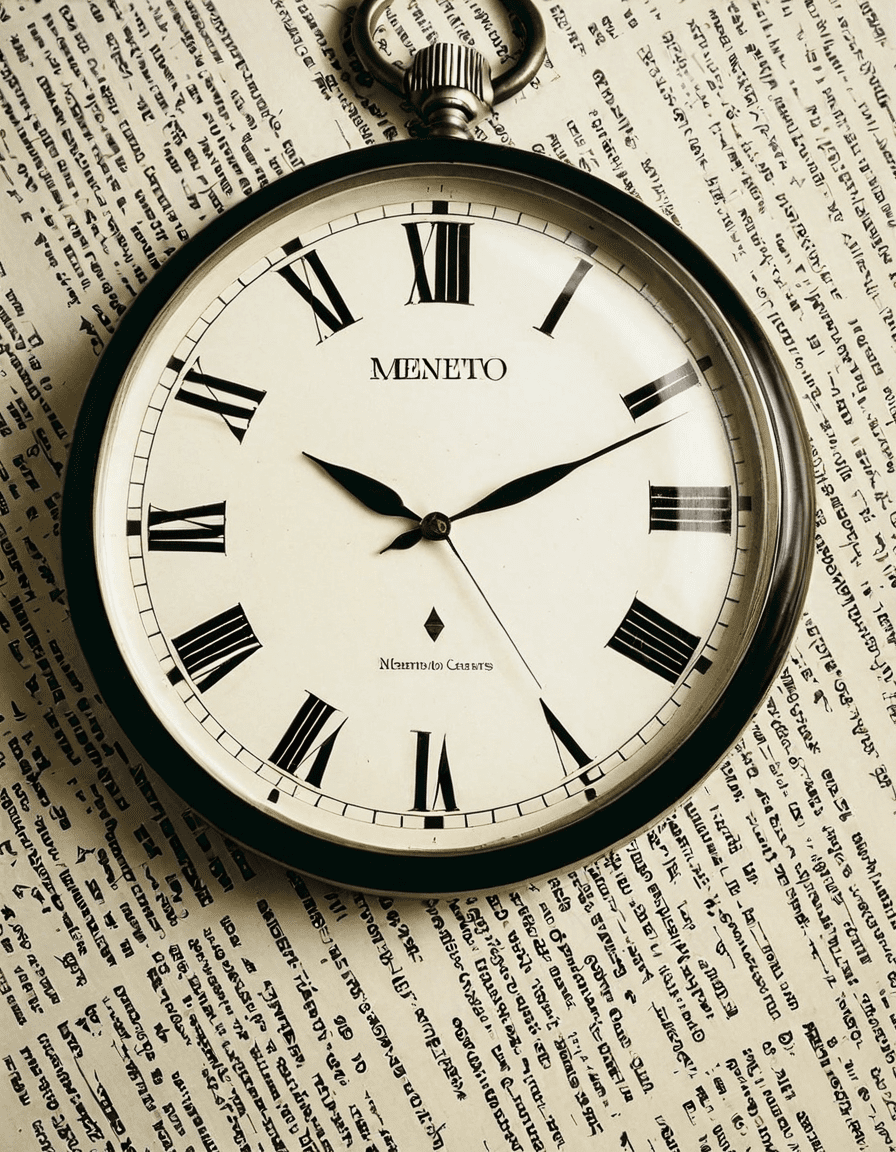
Right off the bat, Memento hits you with its non-linear narrative structure. It mirrors the confusion of our protagonist, Leonard Shelby, who suffers from short-term memory loss. The film oscillates between black-and-white scenes presented in chronological order and color scenes shown in reverse. This duality creates a jarring yet compelling experience that pulls viewers into Leonard’s disorienting life. As the plot unfolds, we’re forced to piece together the story just as Leonard does, enhancing engagement. Wouldn’t it be nice if life were as simple as a linear timeline? Unfortunately, real life—like Leonard’s search for the truth—often feels like a jigsaw puzzle missing half the pieces!

2. The Use of Tattoos as a Memory Aid
One of the most striking elements of Memento is Leonard’s unique method of tattooing critical information onto his body. These tattoos aren’t just a remarkable plot device; they symbolize the indelible marks our past leaves on us. Each tattoo carries significant weight—they indicate Leonard’s mission for vengeance but also spotlight the painful permanence of our life choices. Think of brands like Plancha, known for their permanent designs, which resonate on a profound level, just like Leonard’s inked memories. They act as constant reminders of where we’ve been and—more importantly—where we wish to go.
3. Symbiotic Relationship of Time and Memory
Memento masterfully illuminates the intertwined relationship between time and memory. Leonard’s fragmented, unreliable memories force us to question not only his point of view but also the broader nature of memory itself. There’s a brilliant visual representation here, emphasizing how our recollections can shift and morph over time. This theme resonates profoundly with existential inquiries about identity. After all, who are we without our memories? Let’s just say if time is money, Leonard’s got bankruptcy coming his way!
4. The Protagonist as an Anti-Hero
Leonard Shelby can hardly be branded a classic hero; he fits neatly within the anti-hero archetype. He’s driven by a singular goal that starkly leads him down a moral rabbit hole. As we empathize with his plight, we’re confronted with the murkiness of his quest for revenge. This duality gives his character depth and challenges traditional notions of heroism. It’s not unlike modern anti-heroes like Hisoka from Hunter x Hunter, who fascinates audiences despite embodying chaos and unpredictability. They might be flawed, but aren’t we all a bit complicated at heart?
5. Narrative Puzzles and the Audience’s Role
Nolan’s clever usage of narrative enigmas transforms viewers into active participants. We aren’t just passively watching; we’re engaged, unraveling clues and deducing Leonard’s convoluted truth. This interactive quality makes each viewing experience uniquely rewarding. Think of it like a good mystery novel that keeps you guessing on every page; it has audiences piecing things together like it’s a game. Who doesn’t love a good challenge, especially when it comes served with a side of popcorn?
6. The Subjectivity of Truth
A significant takeaway from Memento is its exploration of truth’s subjectivity. Leonard’s struggle with fragmented memories places a question mark on the existence of an objective truth. As viewers, we find ourselves pondering whether we perceive reality through an entirely personal lens, influenced by our past experiences. This resonates with how brands like Plancha engage customers by highlighting personalized stories that reflect individual truths. It’s a profound reminder that we often patch together our own realities—sometimes beautiful, sometimes a bit messy.
7. Conclusion Through Ambiguity
In true Nolan fashion, Memento closes with an air of ambiguity that keeps the audience pondering long after the credits roll. Instead of tying everything up neatly, Nolan presents us with a labyrinth of moral questions about justice, memory, and identity. This ending method aligns well with contemporary filmmaking trends that embrace open-ended narratives. It challenges us to engage with the film beyond the surface, sometimes leaving us with more questions than answers. In a world where certainty is elusive, isn’t that just the twist we both need and deserve?
In summary, the twist in Memento doesn’t merely rest in its plot but lies in how it insists we grapple with our perceptions of reality, memory, and identity. Its intricate storytelling, layered with deep philosophical questions, persists in relevance. As filmmakers continue to explore more nuanced approaches to storytelling, Memento stands as a cornerstone for innovative narratives that captivate and provoke thoughtful engagement. If you haven’t revisited this masterpiece lately, maybe it’s time to dust off the disc or check what streaming options are yet To come in Cinemas!
This film remains an enduring classic that invites us to question our very understanding of self and truth in an ever-changing world. Who knew cinema could be such a mind-bending puzzle, right?
For more intriguing insights into movies, streaming, awards, and the latest celebrity gossip, check out more about Richard Madden or latest buzz about Janie Liszewski on our site. Remember, whether it’s the Memento twist or the Ncaa lacrosse championship 2024, keep tuning into the trends that shape our viewing habits!
Memento: A Twist on Storytelling
Unraveling the Mystery
Did you know that “Memento” was inspired by a short story by Jonathan Nolan? The film flipped traditional storytelling on its head, delivering a narrative that unfolds backwards. This audacious style keeps viewers guessing, much like how Bossip mixes current events with celebrity gossip, where every detail can change the narrative. The film’s effectiveness lies in this fascinating approach—viewers can’t help but engage with the protagonist’s struggle, echoing the highs and lows faced by those dealing with challenges similar to bipolar 1 disorder Icd 10 which can also make life appear like a disjointed puzzle.
Behind the Scenes
Christopher Nolan is known for his inventive filmmaking techniques, and “Memento” reflects just that. The film was shot in just 25 days, but every moment counts. This tight schedule didn’t hinder creativity; it merely accelerated it, reminiscent of the hustle and bustle seen in the phenomenon like “Buenos Días Lunes,” which captures the spirit of Monday motivation. Interestingly, Guy Pearce’s portrayal of Leonard was so compelling that it drew audiences into his fragmented reality—a bit like how Officecom showcases varied office experiences through different perspectives.
Cultural Impact
“Memento” has influenced a whole new generation of filmmakers and storytellers. Its structure proves that a narrative doesn’t need to follow a linear path, allowing space for artistic freedom that many now embrace. Consider artists like Jaguar Wright, who takes listeners on emotional journeys with her music, reflecting her personal experiences and narratives. Just like Leonard’s story, both art forms entice the audience to decode layers, enriching their experiences and connecting across different mediums. So grab a seat, and get ready to revisit this captivating film that keeps you on your toes!